
Arrest Warrants in McKinley County
An arrest warrant tells an officer to arrest someone and bring that person before a court. In New Mexico, a District Court warrant can grow out of an indictment or a sworn written showing of probable cause. Magistrate judges take the lower-court criminal matters and preliminary hearings. Gallup cases run through Municipal Court, though a city police record never replaces the court's own warrant record. Start with New Mexico Case Lookup for the public case route. Then call the court the case names. A blank result there proves little. Sealed, juvenile, restricted, new, tribal, and federal matters can all follow a different path, so McKinley County warrant questions end with the clerk, not the search screen.
Probable Cause Under McKinley Rule 5-208
Rule 5-208 prefers a summons whenever that works. A judge may still issue an arrest warrant when justice requires it and the legal basis holds. The probable-cause showing can come from an indictment or from sworn written facts. The judge may also question an affiant or witness under oath and reduce any added evidence to writing. The warrant itself must name the defendant or give a reliable description, state the charged offense, carry the court's signature, and command arrest and production before the court. Only the court controls that order. The sheriff's Records Division in McKinley County cannot recall it, no matter how often people ask.
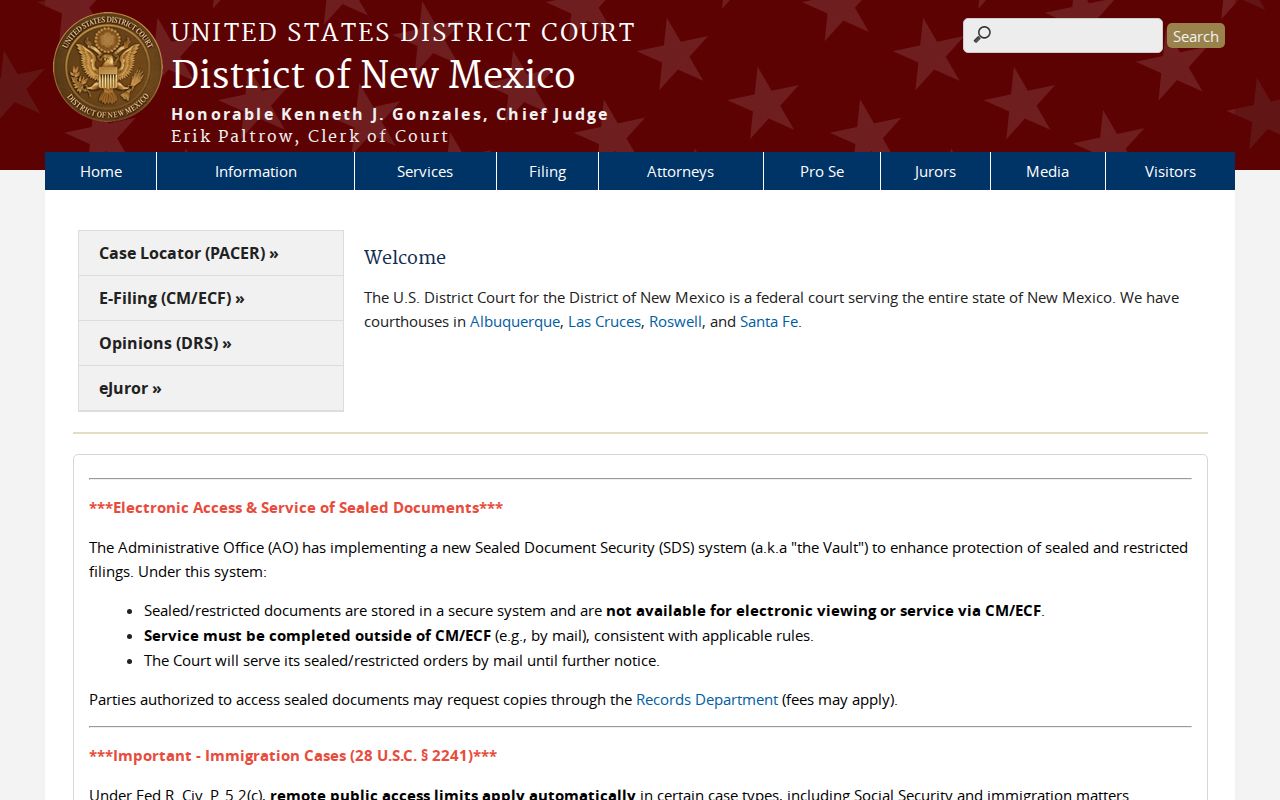
The District of New Mexico court site shows the separate federal layer. A McKinley County arrest warrant stays a state court matter unless the case goes federal.
What a McKinley County Arrest Warrant Contains
A public case search may expose only a sliver of the warrant. The official Form 9-210 and Rule 5-208 materials describe the larger record. Sensitive fields can be masked or withheld online in McKinley County.
| Court and case | Caption, case number, issuing court, and warrant date. |
|---|---|
| Charge | Offense description, statute, and classification tied to the criminal case. |
| Probable-cause basis | Indictment or affidavit reference supporting issuance. |
| Release term | Bond, release condition, no-bond or judge-appearance instruction when set. |
| Service and return | Executing agency, service date, arrest or booking, and return to court. |
| Limits | Geographic or extradition limits may appear in the court's internal record. |
The record schema explains a case flag, but only the issuing clerk in McKinley County can confirm what is current.
McKinley Form 9-210 Field Guide
New Mexico's criminal forms index lists Form 9-210 as a warrant for arrest, with related affidavit and return forms. The template is a good question list. What court caption appears? What case number and charge are listed? Is bond set? Which agency was notified, and was the warrant returned after an arrest? Those fields frame what a McKinley County warrant record contains. They are not an invitation to publish another person's physical description, address, date of birth, Social Security number, or case details. Ask precise questions; leave the private data alone. The New Mexico Courts criminal forms index is the official source for the form family. A blank template never proves a specific warrant exists, so treat it as a guide rather than a record.
How McKinley County Arrest Warrants Are Served
Rule 5-210 allows service by full-time state or county officers, municipal police, campus police, and Indian tribal or pueblo law-enforcement officers when authorized. A warrant may also limit where it can be executed. At the arrest, an officer holding the warrant serves a copy on the person. If no copy is at hand, the officer states the offense and the warrant's existence and serves the copy as soon as practical. The arresting officer then returns the warrant or duplicate original to the issuing court, and agencies notified earlier get updated. That return step matters. It is why a McKinley County reader should ask the court directly whether a warrant was served, returned, recalled, or still active. The U.S. Marshals District of New Mexico page covers a federal fugitive role, not county warrant confirmation.
Who Can Execute a McKinley Warrant
MCSO is not the only agency that can serve a New Mexico warrant. Gallup Police handle city-related matters, and state, municipal, tribal, pueblo, or campus officers can all fall within the rule's authorized classes. In McKinley County, the geographic limit and the court's direction decide.
| Agency path | Role supported by research | Who confirms status |
|---|---|---|
| MCSO | County law enforcement, service, court security, and transport | Issuing court for recall or return |
| Gallup Police | Municipal policing and city-court encounters | Gallup Municipal Court for city status |
| Tribal or pueblo officer | Authorized service within the relevant jurisdiction | Issuing tribal or pueblo court |
| U.S. Marshals | Federal and interstate fugitive work | Federal court or Marshals office |
Call 911 only for an immediate emergency. A McKinley County warrant-status question belongs with the court or the official records office.
Arrest Warrant vs Summons vs Bench Warrant
A summons tells you when and where to appear. An arrest warrant commands an arrest after the court's probable-cause process. A bench warrant answers a failure to appear, pay, or comply in a case already open. In a McKinley County file, the terms can sit side by side yet describe different events.
Plain distinction. A bench warrant is not automatically a new criminal charge. An arrest warrant is not the same as a search warrant. A case record can remain open after any one of them is addressed.
Ask the clerk for the exact warrant type, its trigger, the court, any bond or release condition, and the required next appearance. Skip the word "capias" as a shortcut. New Mexico forms say "bench warrant," and McKinley County clerks will too.
McKinley MCSO Transport vs Court Authority
The MCSO Civil Division says it transports people on outstanding bench warrants and provides court-security services. That is an agency role after or around service. It does not hand the sheriff power to set a District Court bond, recall a Gallup Municipal Court warrant, or decide whether someone can walk through for an appearance in McKinley County. For records, the MCSO Records Division can explain an IPRA request for an existing agency record. For a warrant itself, call the issuing court. A custody question can go to the detention center once legal status and release terms are known.
What to Do If There's a Warrant for You
A name-only web hit is not enough to act on. Write down the court and the case number. Then ask the McKinley County clerk whether the warrant is active, what release term is listed, and whether a scheduled surrender or attorney walk-through is an option. A felony arrest warrant may call for legal advice before any appearance.
- Check Case Lookup and identify the issuing court.
- Call the clerk and ask for current status, bond, location, first appearance, and required documents.
- Ask an attorney about surrender if the charge is serious or the release term is unclear.
- Keep any receipt, return, docket entry, or release order.
- Confirm the court's update after appearance, payment, or arrest.
Voluntary surrender does not guarantee you avoid booking or jail in McKinley County. The court and the warrant's own conditions control that.
Federal Warrants Are Outside McKinley County
Federal arrest warrants come from the U.S. District Court for the District of New Mexico, not from any McKinley County office. They may be sealed or restricted. PACER offers federal docket access, though it is no public check-yourself warrant roster. CourtListener or RECAP can fill in detail. Still, a federal surrender question needs federal counsel, the court, or the U.S. Marshals Service.
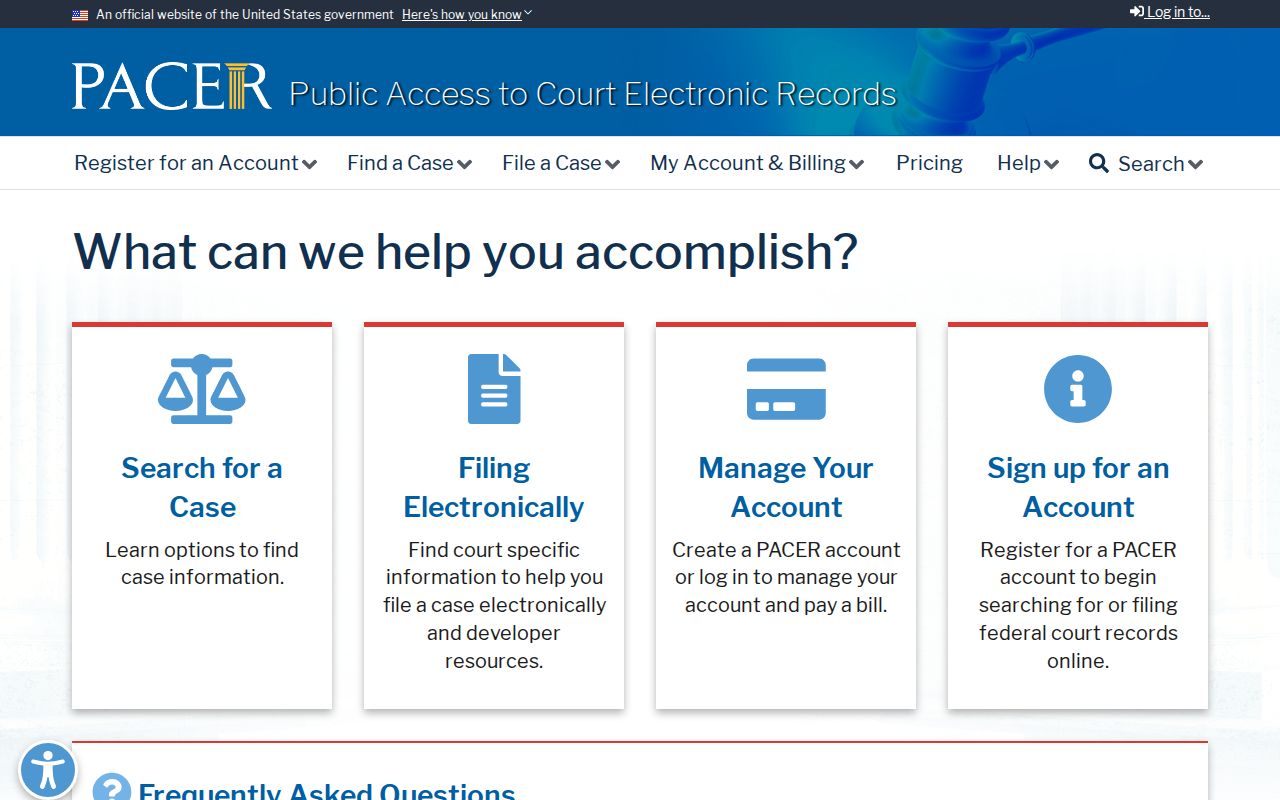
The PACER access page lays out the federal docket route and its fee notice. A federal record is not a McKinley County Sheriff record.